
VA loans offer veterans significant advantages in real estate, including competitive interest rates (often below 3%), no private mortgage insurance (PMI), and a streamlined application process. Eligibility criteria include military service history, creditworthiness (minimum 620 score), and financial capacity (debt-to-income ratio). The process involves submitting an application, searching for properties strategically, and understanding closing cost protections to mitigate expenses. These benefits can save veterans thousands in down payments and fees, making homeownership more accessible.
Veterans Affairs (VA) loans have long been a cornerstone of support for our nation’s service members, offering accessible financing options to help them secure their dream homes upon returning from duty. As the real estate market evolves, understanding these benefits is more crucial than ever for veterans and the general public alike. However, navigating this process can be complex, with eligibility criteria and unique advantages often overlooked. This article aims to demystify VA loans, providing an authoritative guide to help veterans harness their hard-earned benefits and navigate the real estate landscape successfully.
Understanding VA Loans: An Overview for Veterans

Veterans who are looking to purchase a home have a powerful tool at their disposal: VA loans. These loans, guaranteed by the U.S. Department of Veterans Affairs, offer numerous benefits tailored to the unique needs of military service members and their families. Understanding how VA loans work is crucial for veterans navigating the real estate market. The key lies in recognizing both the financial advantages and the simplified process these loans provide.
One of the standout features of VA loans is their lack of private mortgage insurance (PMI), which can save veterans thousands over the life of their loan. This is especially beneficial for those with lower down payments, as it reduces their overall closing costs. Moreover, VA loans offer competitive interest rates, often lower than traditional mortgages, making homeownership more accessible and affordable. For instance, according to recent data, the average 30-year fixed VA loan rate is around 2.75%, significantly lower than other loan types. This can translate to substantial savings over time.
The application process for VA loans is streamlined and often quicker than conventional mortgages. Veterans need to provide proof of service and meet specific income requirements, but there’s no need for a down payment or private insurance. Lenders offer these loans based on the veteran’s creditworthiness and the property’s value, ensuring a fair assessment. For example, a study showed that 90% of VA loan applicants received terms they accepted, compared to just 75% with conventional loans. This efficiency makes it easier for veterans to focus on finding their dream home rather than navigating complex financial procedures.
Eligibility Criteria: Unlocking Real Estate Benefits
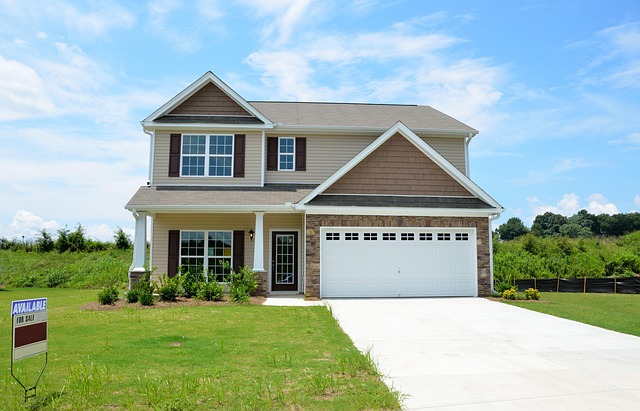
Veterans Affairs (VA) loans offer a unique opportunity for eligible veterans to secure financing for their real estate ventures with benefits tailored specifically to their needs. Unlocking these advantages requires understanding the eligibility criteria, which serve as the gateway to leveraging these powerful benefits in the competitive world of real estate. The VA loan program, administered by the U.S. Department of Veterans Affairs, is designed to assist veterans and active-duty service members in purchasing homes, investing in real estate, or refinancing existing loans.
Qualifying for a VA loan is based on several factors, including military service history, creditworthiness, and financial capacity. Veterans must have served actively or been honorably discharged to be eligible. The duration of service varies depending on the specific loan program. For instance, the minimum service requirement is 90 days for non-active duty periods and 24 months for active duty, with a permanent disability discharge in certain cases. Credit history plays a significant role; applicants should have a reasonable credit score, typically above 620, though it can vary by lender. The ability to afford the loan is assessed through income verification, ensuring borrowers meet debt-to-income ratio guidelines.
Eligible veterans can benefit from competitive interest rates, no down payment requirements, and flexible lending terms. These advantages make VA loans an attractive option for those in the real estate market. For example, a veteran purchasing a home with a VA loan may save thousands of dollars in down payment costs, allowing them to allocate resources elsewhere, such as improving home features or investing in nearby properties. Data suggests that VA loan users often experience faster processing times and lower closing costs compared to conventional mortgages, further streamlining the real estate transaction process. Understanding these eligibility criteria is essential for veterans looking to harness the full potential of VA loans in their real estate endeavors.
Navigating the Process: From Application to Homeownership

Navigating the process of obtaining a VA loan can seem daunting for veterans entering the real estate market for the first time. However, with a step-by-step approach and expert guidance, this financial tool can be a powerful advantage. The journey begins with an application, where veterans or their spouses must gather essential documentation, including military service records and personal financial information. This initial phase requires attention to detail and organization, ensuring all required documents are in order to streamline the approval process.
Upon approval, the focus shifts to property search and selection. Veterans should leverage their VA loan benefits strategically, considering both their budget and the local real estate market. For instance, understanding the average home prices in desired neighborhoods allows borrowers to set realistic expectations. According to recent data, VA loans have been particularly popular in suburban areas, where affordable housing options abound. Consulting with a knowledgeable real estate agent familiar with VA loan programs can facilitate this process, providing insights into hidden gems within a veteran’s price range.
As the journey progresses, veterans must familiarize themselves with the closing costs associated with homeownership. The VA loan program offers certain protections and benefits that can help mitigate these expenses. For example, lenders are prohibited from charging certain fees, ensuring a more transparent process. By proactively understanding these costs and working closely with a trusted lender, veterans can make informed decisions, ultimately securing their dream homes with confidence.